How diabetes can affect your eyes
Diabetes is a condition wherein blood glucose levels are abnormally high.
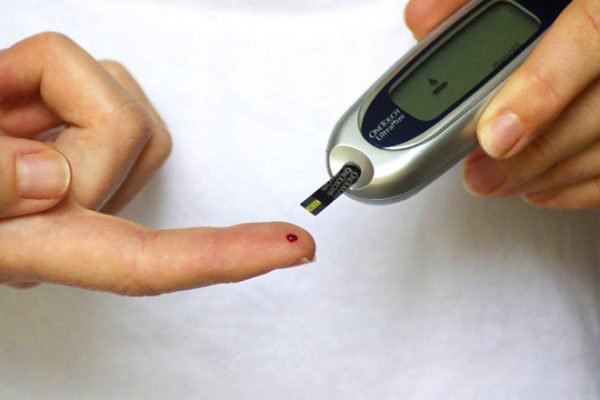


New Delhi: Glucose is an essential energy source for all living cells of the human body, which is programmed in a way wherein the glucose levels in the blood are maintained at an optimal level through various hormones.
Blood glucose levels are normally referred to as blood sugar levels in our day to day life. Diabetes is a condition wherein blood glucose levels are abnormally high. Consistently high glucose levels cause damage to various organs of the human body in the long run.
‘Diabetic Retinopathy’ is one such condition wherein abnormally high blood glucose or blood sugar levels cause slow, progressive and long-standing damage to the eyes.
Diabetes has now assumed the title of a silent global pandemic. With India set to become the diabetic capital of the world, the threat of visual loss due to diabetic retinopathy has gained massive proportions.
To understand how diabetes impacts the eyes, let us ? first understand the structure of the human eye. The human eye has structures and functions roughly equivalent to those of a simple camera. Similar to the light sensitive of a camera, the human eye has a light-sensitive structure called the retina.
It is this retina or the light sensitive structure of the human eye that is most adversely affected by diabetes. This condition is called diabetic retinopathy or is also referred to as diabetic eye disease in common understanding.
The advent of diabetic retinopathy simply starts as the appearance of small bleeding spots or “microaneurysms” on the surface of the retina. This is the initial stage of the disease or non-proliferative diabetic retinopathy, wherein the vision remains reasonably good despite having an abnormality.
The retinal blood vessels eventually develop leaks that cause the retinal tissue to “swell up like a sponge” (also called macular edema) It is this stage wherein an individual’s vision starts getting affected and prompts her to seek medical attention.
Treatments like the application of laser spots to the retina or instilling injections into the eye at this stage are very effective if instituted in time.
If the blood sugar levels continue to remain uncontrolled, the retina suffers from larger bleeding spots and blood may entirely fill up the jelly inside the eye causing a sudden loss of vision. Many patients go undetected until this stage of the disease because they miss undergoing an eye check-up while they suffer from diabetes all these years.
In the later stages of the retina starts getting crumpled and this results in a near-permanent loss of vision and blindness. Major surgery is then required to remove the blood and fix the retina back to its original position. Despite multiple major surgeries, only a few individuals may gain back their original vision.
As the diabetic eye disease progresses through the late stages, the microscopic damage to the cells of the retina leads to permanent structural and functional changes that, unfortunately, cannot be reversed.
Early detection of diabetic retinopathy and early treatment is hence, the key to preventing permanent visual loss due to diabetic eye disease.
It is strongly recommended to get a retina evaluation for every diabetic individual, at least once in a year. This retina evaluation is performed by an eye doctor who is a retina specialist and usually takes about an hour at the doctor’s clinic.
Long-standing diabetes, poor blood sugar control, associated hypertension, and deranged lipid pro? These are the most important risk factors for the development and progression of diabetic eye disease. Hence, all diabetics must have regular evaluations with the physician.

Related News
-

Hyderabad: Woman allegedly sexually assaulted after offer of domestic work
-
KTR congratulates Kaiteki Innovations founder on Vande Bharatam award
-
Hyderabad: 151 officer trainees complete first phase of IPS training
-
A mirror in space to turn night into day? Hyderabad-based Skyroot deal brings sci-fi closer to reality