Opinion: The quiet toll of conflict on Indian migrants in the Gulf
Migrant protection during conflicts must extend beyond evacuation to address everyday vulnerabilities, emotional strain, and the social realities of life abroad


By Dr Divya Balan
For millions of Indians living and working across the Gulf, current geopolitical tensions are not experienced through direct violence but are felt in quieter, more subtle, everyday ways of unease. It is there in the relentless refreshing of news apps between work shifts, frequent calls home to reassure anxious families, and the silent contingency planning for ‘what ifs’. They scan headlines for any signs of escalation or missile alerts that might suddenly upend their routines and even cost their jobs.
Also Read
This anxiety is further intensified by exposure to graphic or polarised content across global and Gulf media ecosystems, as well as the rapid circulation of unverified messages on WhatsApp and other social media platforms. However, much of their lived experience of war and its psychological toll rarely appears in headlines, buried beneath dominant narratives of remittances and evacuation logistics.
The (Un)Hidden Costs of War
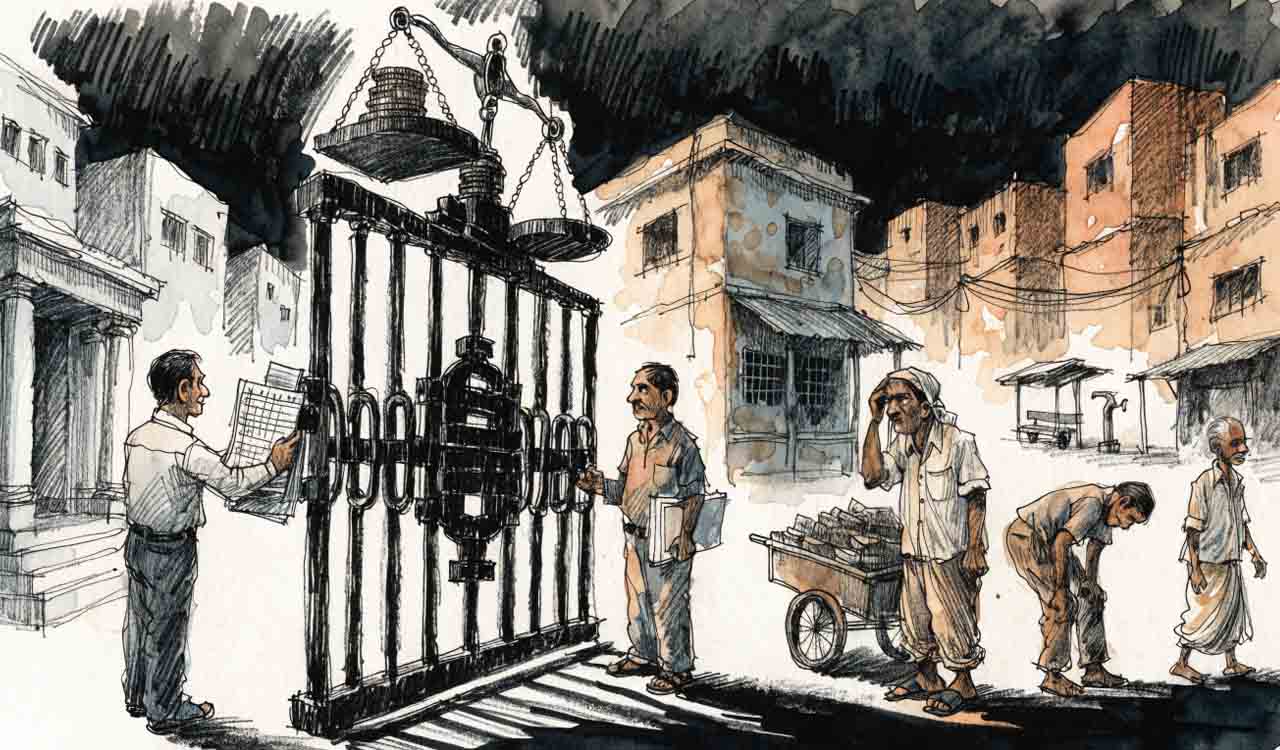
Living in conflict-adjacent environments, migrants are not always directly caught in war, but remain deeply affected by its ripple effects. While already grappling with the emotional strain of being far from home during crises and navigating restrictive labour systems, such as employer-tied kafala sponsorship regimes, ongoing geopolitical conflicts further deepen their existing precarity and vulnerabilities.
Sectors such as construction, logistics, aviation, and hospitality —predominantly staffed by migrant workers — are highly sensitive to regional instabilities. Escalating tensions can hence slow projects, disrupt supply chains, or reduce tourism and business activities, leading to delayed wages, sudden job loss, or even forced return migration.
Migrants worry about their ability to continue sending remittances home, as this obligation is deeply embedded in familial expectations and closely tied to their sense of responsibility, success, and self-worth. Rising travel costs and visa uncertainties can make it difficult for them to undertake planned vacations or return promptly to work if they are already on holiday.
Likewise, rising living costs during emergencies prompt them to postpone investment such as house construction or purchases, cut back on discretionary spending and adopt precautionary strategies in anticipation of declining incomes and possible changes in their livelihoods. Some even consider relocating to safer destinations or returning early, while keeping their documents, savings, and family plans ready to respond quickly if needed.
Current reintegration frameworks overlook trauma, chronic stress, and long-term mental health challenges—yet these are central to migrant well-being and must be treated as essential, not secondary, concerns
Besides, families in India often project their anxieties onto migrants through constant concern for their safety or pressurising them to return. Even though they are reluctant to return unless left with no other option, migrants experience heightened anxiety as they imagine worst-case scenarios — such as lockdowns or airspace closures — that could prevent them from going home when necessary.
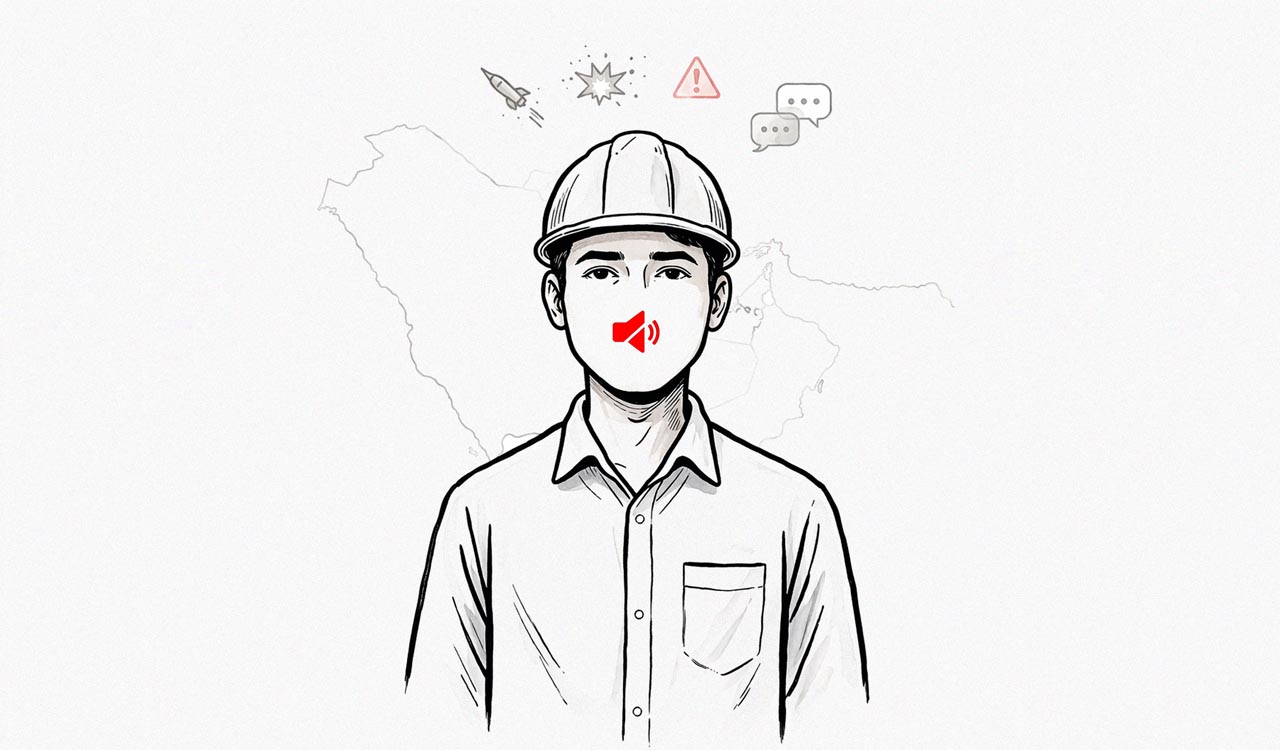
Another unintended consequence is emotional restraint, shaped by the awareness that Gulf governments can penalise individuals for sharing sensitive content online, especially during periods of regional instability. This persistent feeling of “being watched” creates a sense of internalised surveillance, leading migrants to self-censor their speech and behaviour in digital spaces. This results in cognitive strain, while suppressing morally or emotionally charged opinions can generate frustration, helplessness, or quiet resentment, ultimately eroding trust and a fuller sense of agency.
Isolation intensifies for those working and living in private households, remote desert farms, or segregated accommodations, as they may be cut off from external networks and have restricted mobility. Language barriers make it difficult to seek help or articulate distress, while long working hours and the absence of social support networks create conditions in which distress is internalised rather than expressed. In crisis situations, they face increased risks of confinement, overwork, or abuse, with significant psychological consequences.
Correspondingly, inter-community interactions in multicultural workplaces, particularly with colleagues from affected regions, can also become strained. And, migrants grow increasingly conscious of their temporary status and wary of policy shifts or regulatory changes that may affect their employment or residency, while also becoming aware of their limited political and social agency and status.
Beyond Evacuation
Despite these realities, mental health remains a peripheral concern in migration governance frameworks in both home and destination countries. Governmental actions tend to focus on physical safety, evacuation, and repatriation, often overlooking the emotional and psychosocial impacts. Even when migrants return to India, existing reintegration frameworks rarely address trauma, stress, or long-term mental health needs. The silence surrounding these issues is compounded by social stigma, both within migrant families and in broader society, where mental health continues to be under-discussed and under-resourced.
Addressing these issues requires a fundamental shift in how migration is understood and governed. Mental health must be recognised as integral to migrant welfare at the destinations, not an afterthought. Reintegration policies must move beyond employment and financial assistance to include social integration, mental health care, community-based support systems, and awareness programmes that reduce stigma.
Partnerships with civil society organisations, academia, and diaspora groups can play a crucial role in bridging gaps in governance, outreach, and trust. Protecting migrants during conflicts, therefore, cannot be limited to evacuation. It must encompass the full spectrum of their everyday lived realities, including their unseen emotional and social costs of migration.

(The author teaches Migration Studies at FLAME University, Pune)

Related News