The science behind hurricanes
Let’s read about the science behind the hurricanes
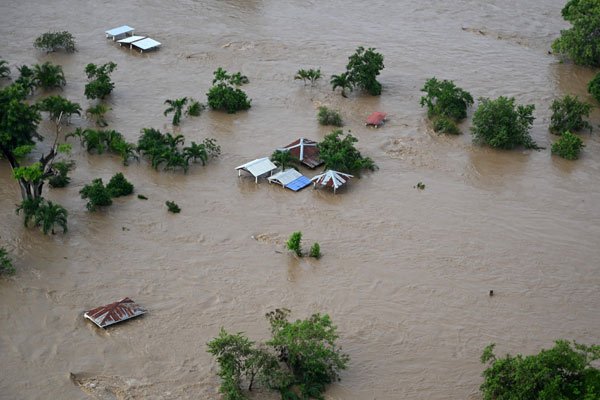


Hurricanes are the most violent storms on Earth. They can also be referred to as typhoons and cyclones, but their scientific name is tropical cyclones. However, hurricanes actually only refer to tropical cyclones over the Atlantic Ocean with one-minute maximum sustained winds of at least 74 mph. Let’s read about the science behind the hurricanes…
How are hurricanes formed
Tropical cyclones are created from warm, moist air above the ocean waters near the equator. The rising warm air creates an area of lower air pressure and air from surrounding areas with higher air pressure pushes into this lower pressure area.
As warm, moist air rises and cools down, the water in the air forms clouds. This group of clouds spins and grows into a cyclone, further fed by the ocean’s heat and evaporating water. One interesting fact is that storms that form south of the equator spin clockwise, while storms that form north, spin counterclockwise.
When hurricanes strike land they can cause huge amounts of damage. Most of the damage is caused by flooding and storm surge. Storm surge is when the ocean level rises at the coastline due to the power of the storm.
Parts of a hurricane
Hurricanes are comprised of three parts – the eye, the eyewall, and the rainbands. The eye of a storm is a circular area, 19-40 miles in diameter—most commonly known as being mostly calm weather. The eyewall, part with the strongest winds and rains, is a ring of thunderstorms that surrounds the eye. The rainbands are clouds that spin outward, making the storm bigger.
Classification based on strength
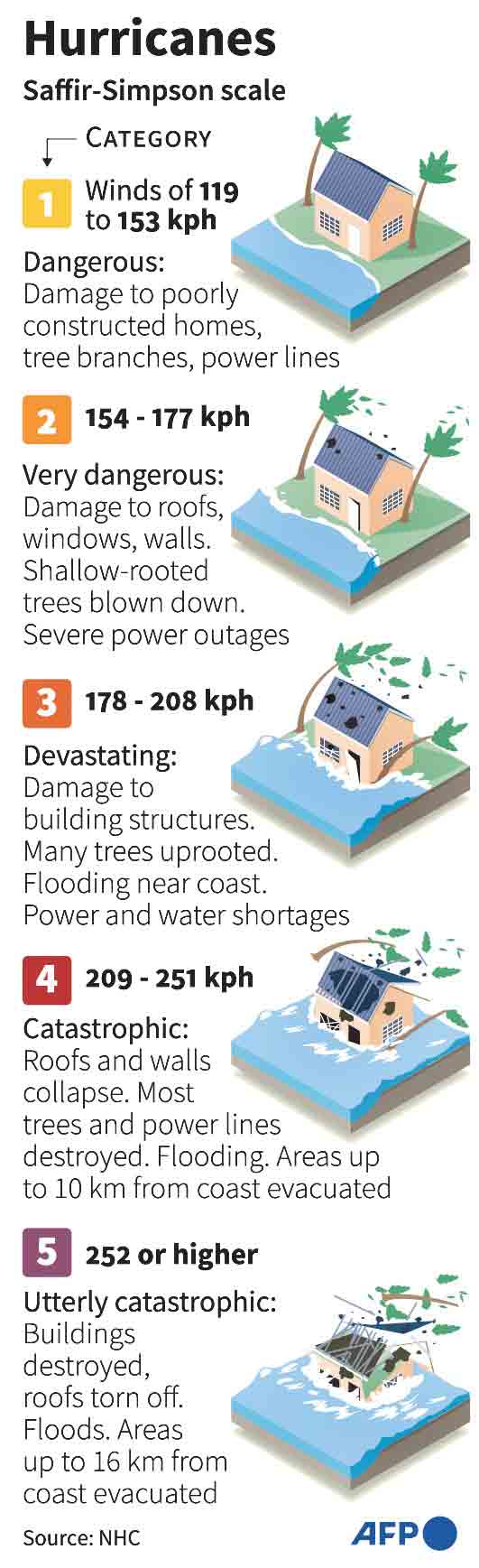
Tropical cyclones are measured by the Saffir-Simpson Wind Scale, a 1 to 5 rating determined by their wind speed. Storms reaching Category 3, at least 111 mph wind speed or higher, are considered major hurricanes for their predicted property damage such as inland flooding and electricity shortage.
Tracking hurricanes
The two GOES satellites keep their eyes on hurricanes from far above Earth’s surface—22,300 miles above, to be exact! These satellites, built by NASA and operated by the National Oceanic and Atmospheric Administration (NOAA), save lives by helping weather forecasters predict and warn people where and when these severe storms will hit land.
How are they named
Hurricanes in the Atlantic are named based on a list of names maintained by the World Meteorological Organization. The names go in alphabetical order and the storms are named as they appear. So the first storm of the year will always have a name that starts with the letter “A.” There are six lists of names and each year a new list is used.
Interesting Facts
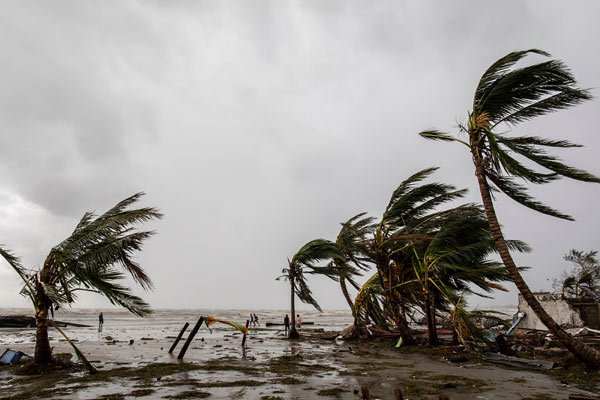
• Hurricanes rotate counterclockwise in the northern hemisphere and clockwise in the southern hemisphere. This is due to the rotation of the Earth called the Coriolis effect.
• The letters Q, U, X, Y, and Z are not used for the first letter when naming hurricanes.
• The names are alternated between boy and girl names.
• Weather forecasters draw a cone showing where they think the hurricane is most likely to travel.
Now you can get handpicked stories from Telangana Today on Telegram everyday. Click the link to subscribe.
Click to follow Telangana Today Facebook page and Twitter .

Related News