Editorial: Review internal security challenges
Pakistan-sponsored terrorism is not a problem that can be outsourced for a resolution. India has to use all its resources to tackle it
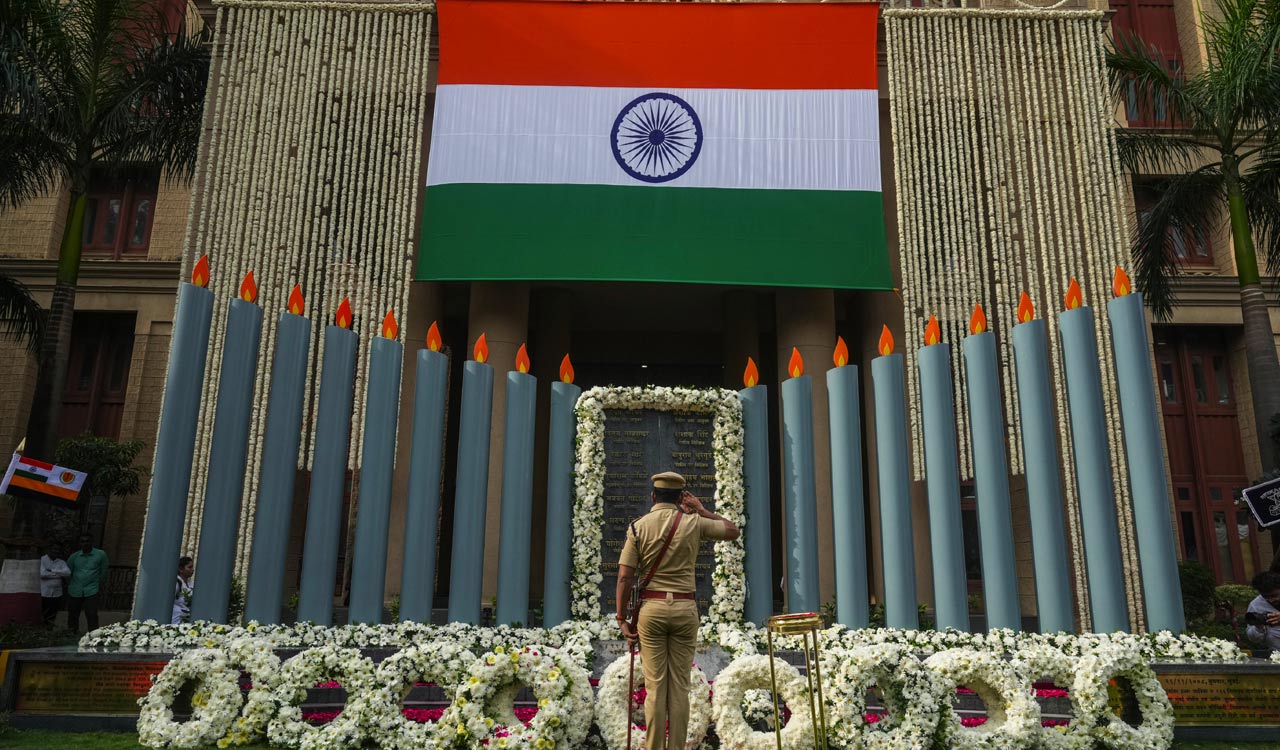


As the nation remembered the pain and trauma on the 15th anniversary of the Mumbai terror attacks, it provided an opportune moment for policy makers to candidly review the state of India’s internal security challenges and the lessons learnt over the last one-and-a-half decades. The 26/11 strikes by Pakistani terrorists sent shockwaves across the country, exposing the chinks in the intelligence and security set-up. The mayhem at the select locations of the metropolis left the country’s security establishment, from New Delhi to Mumbai, paralysed in the early stages of the attack, with lapses in the intelligence domain being particularly glaring. On November 26, 2008, ten Lashkar-e-Taiba (LeT) terrorists from Pakistan arrived by sea route and opened fire, killing 166 people, including 18 security personnel, and injuring several others during a 60-hour siege in Mumbai. In the history of terrorism, 26/11 strikes are comparable to the 9/11 terror attacks in the United States. They were unprecedented in scale and execution. Had greater attention been paid to intelligence alerts, they might have been prevented. The reason why Pakistan chose Mumbai as a target was the pathetic state of preparedness across the city. Despite warnings by experts in the past, there was no institutionalised mechanism for coordination between agencies at different levels. As a result, there was confusion and delayed response to the surprise assault. The Kargil Review Committee (KRC), headed by late K Subrahmanyam, had earlier flagged the inadequacies in the intelligence set-up. But, what is alarming is that there has been no significant reform in the intelligence domain in the past 15 years.
The same set of intelligence inadequacies have led to avoidable security setbacks including the one that happened in the Galwan Valley in June 2020 when China carried out surprise attacks on Indian troops. Despite the call records of terrorist handlers and other incontrovertible evidence, India has failed to bring Pakistan’s establishment to book. Islamabad continues to use terrorism as an instrument of state policy to keep India on the edge. A new dimension appears to have been added now, with the Pakistan army resorting to direct involvement by sending in its retired personnel across the border. Former US Secretary of State Hillary Clinton had famously warned Islamabad that ‘you can’t keep snakes in your backyard and expect them only to bite your neighbours’. Pakistan-sponsored terrorism is not a problem that can be outsourced for a resolution. India has to use all its resources to tackle it. Today, technological solutions are available for almost all security requirements and serve as valuable force multipliers. Successful intelligence operations are the first line of defence against terror. While technology is being effectively used worldwide to counter terror, the city surveillance systems in our cities remain rudimentary. India should invest much more in modernising police forces both for conventional policing and their initial response to a terror attack.
Also Read

Related News