Editorial: Signs of thaw in Indo-Bangladesh ties
Armed with a strong mandate, Rahman signalled a willingness to bury the hatchet and make a fresh beginning by pursuing a forward-looking relationship with New Delhi
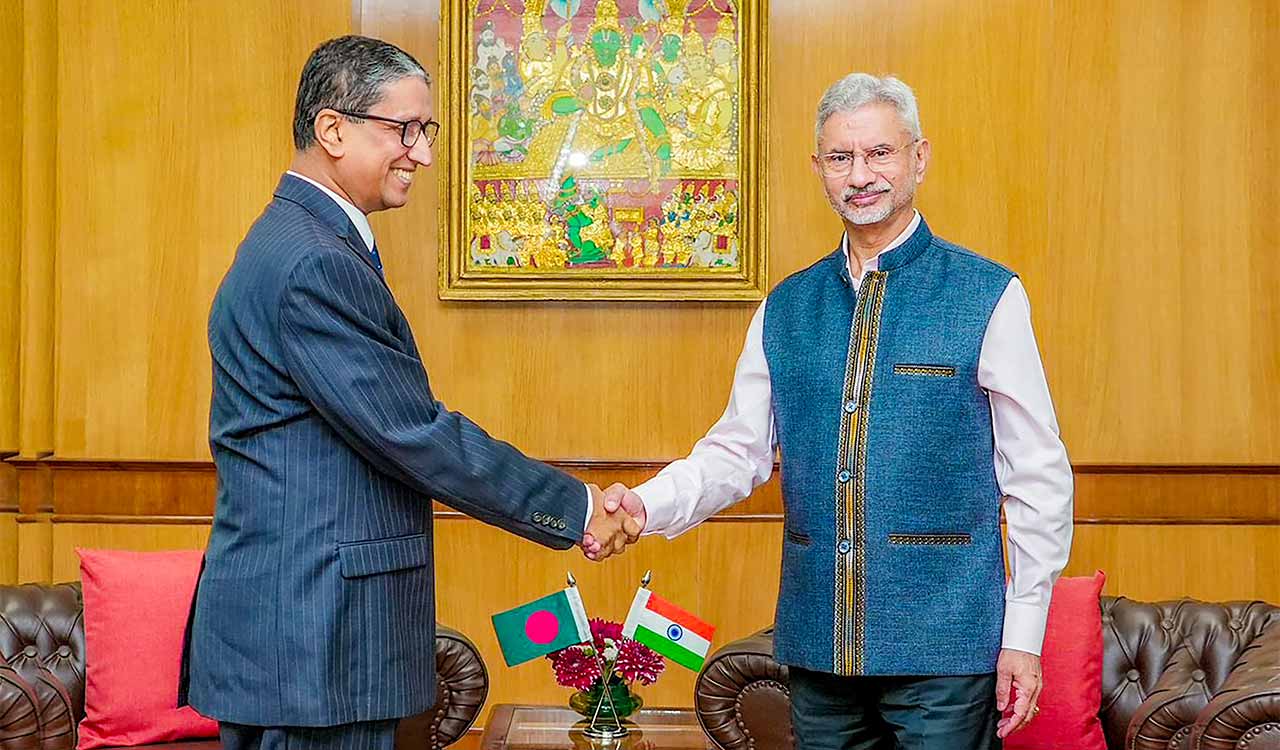


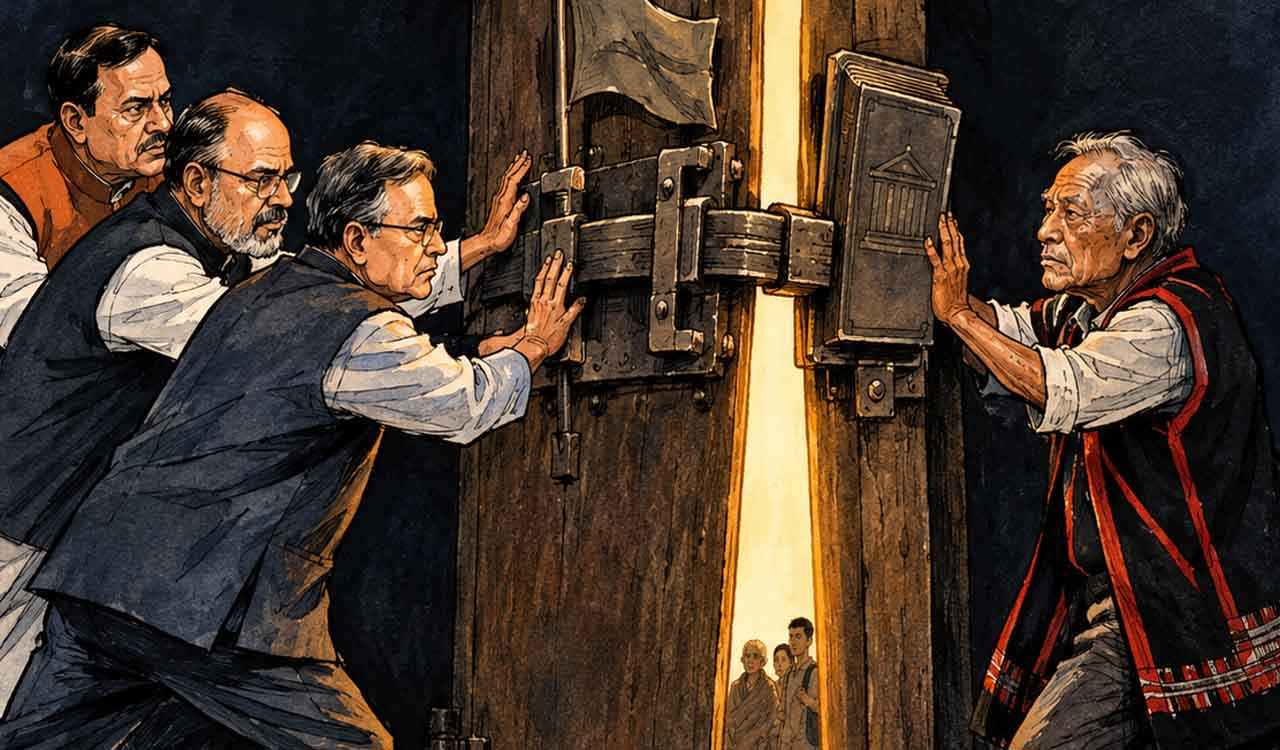
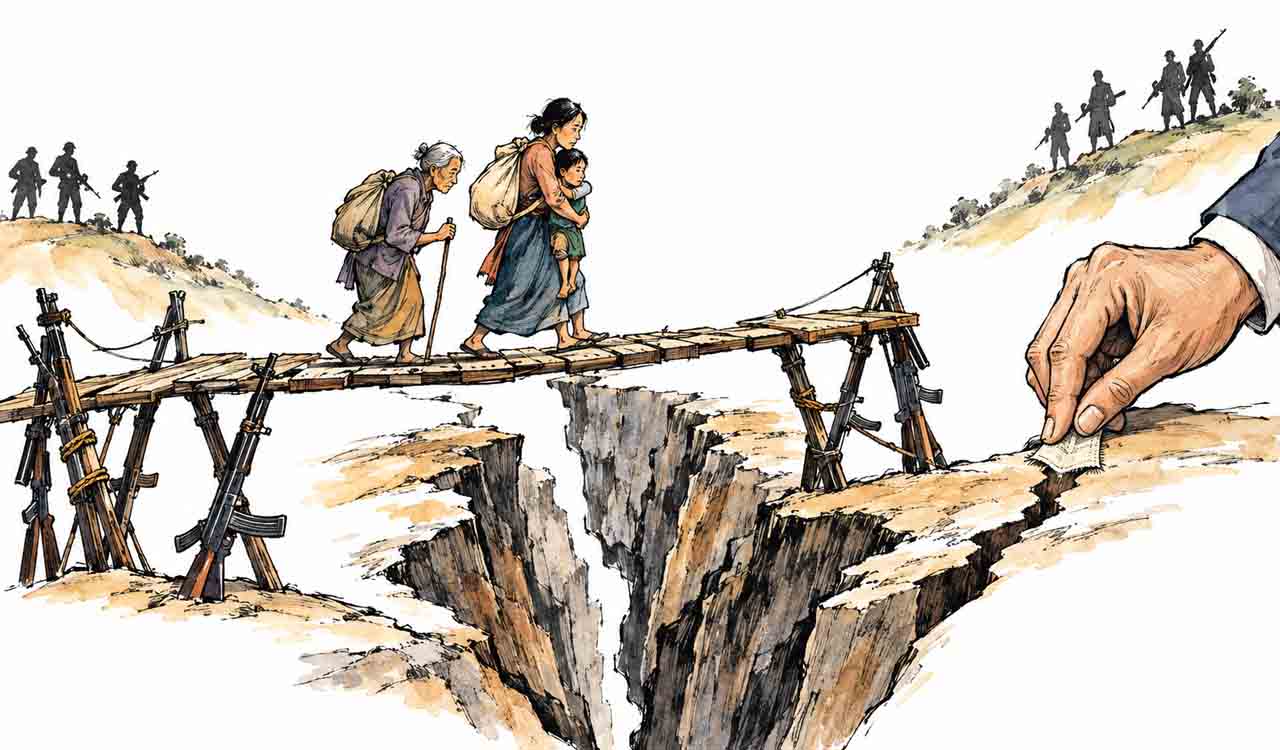
After a prolonged diplomatic chill, the bilateral ties between India and Bangladesh are showing signs of a thaw. Prime Minister Narendra Modi’s personal invitation to his Bangladeshi counterpart, Tarique Rahman, to visit India and the latter’s ready acceptance indicate a sense of earnestness on both sides to reset ties and restore the traditional bond. Modi’s outreach goes beyond ceremonial warmth and reflects a pragmatic recalibration of the relationship that suffered a strain in the recent past. After steering his Bangladesh Nationalist Party (BNP) to a landslide victory in last month’s national elections, Rahman signalled a willingness to bury the hatchet and make a fresh beginning by pursuing a forward-looking relationship with New Delhi based on mutual respect and national interest. This has set a positive tone for the restoration of traditional ties. Both sides appear to be keen to put the bitterness of the recent past behind them and strengthen the relationship rooted in a shared history and economic interdependence. While the issue of Sheikh Hasina’s extradition poses a delicate challenge to India, reining in the extremist and anti-India elements, ensuring safety and security for the Hindu minorities in its country and reversing some of the controversial policies of the previous interim administration are some of the challenging tasks before the BNP government. Pragmatism, rather than political expediency, should guide the process of resetting the ties. Armed with a strong mandate and carrying the burden of expectations of the younger generation, Rahman is well-positioned to take bold decisions in the larger interests of the people.
The BNP supremo’s early communication to Modi underscores three vital aspects: recognition of shared historical bonds, a focus on delivering tangible benefits to citizens, and a commitment to advancing ties based on equality, dignity, and mutual respect. Notably, his reference to India’s “Viksit Bharat 2047” vision suggests a willingness to align Bangladesh’s developmental aspirations with India’s long-term regional outlook. Indeed, there are challenges that the new government will have to take into account—Bangladesh’s economy faces headwinds from global uncertainties, export dependencies, and energy vulnerabilities. India has long supported Bangladesh with infrastructure and energy projects, and this cooperation can be further strengthened, keeping in mind that Bangladesh is facing a tough time as it works to set its house in order. For long, India has been keen to keep its next-door neighbours happy and build good relations with them, which are mutually beneficial and help each other in times of natural calamities, pandemics, and economic crises. Bangladesh fits perfectly into India’s “Neighbourhood First” policy. Enhanced cooperation with Dhaka facilitates connectivity to the Northeast, strengthens regional supply chains, and, above all, helps keep Chinese influence at bay. The need of the hour is that both countries must resolve pending issues like water-sharing and cross-border migration. Rahman’s visit could go a long way in building lasting relations with Bangladesh.
Also Read

Related News